Exotic animals
Healthy, properly fed reptiles ready for a new home - bred by us or sourced from trusted breeders in Serbia and the region.
At NS Reptiles breeder, we work exclusively with species we have personally bred or sourced from trusted breeders. For each species, we have prepared a detailed guide with equipment and care recommendations, so your new pet has the right conditions from day one. We have separate pages for geckos and snakes.
Lizards
11 species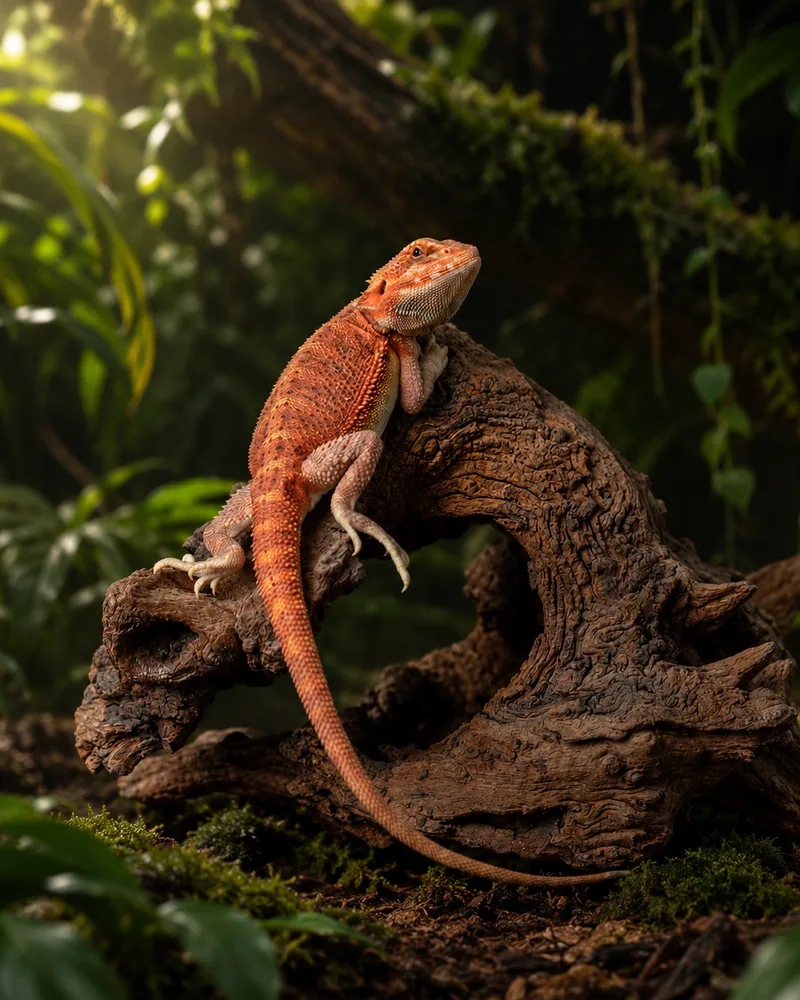
Bearded dragon
from 6,000 RSDOne of the most popular lizard species and extremely suitable for beginners. Intelligent and remarkably friendly towards people.
View species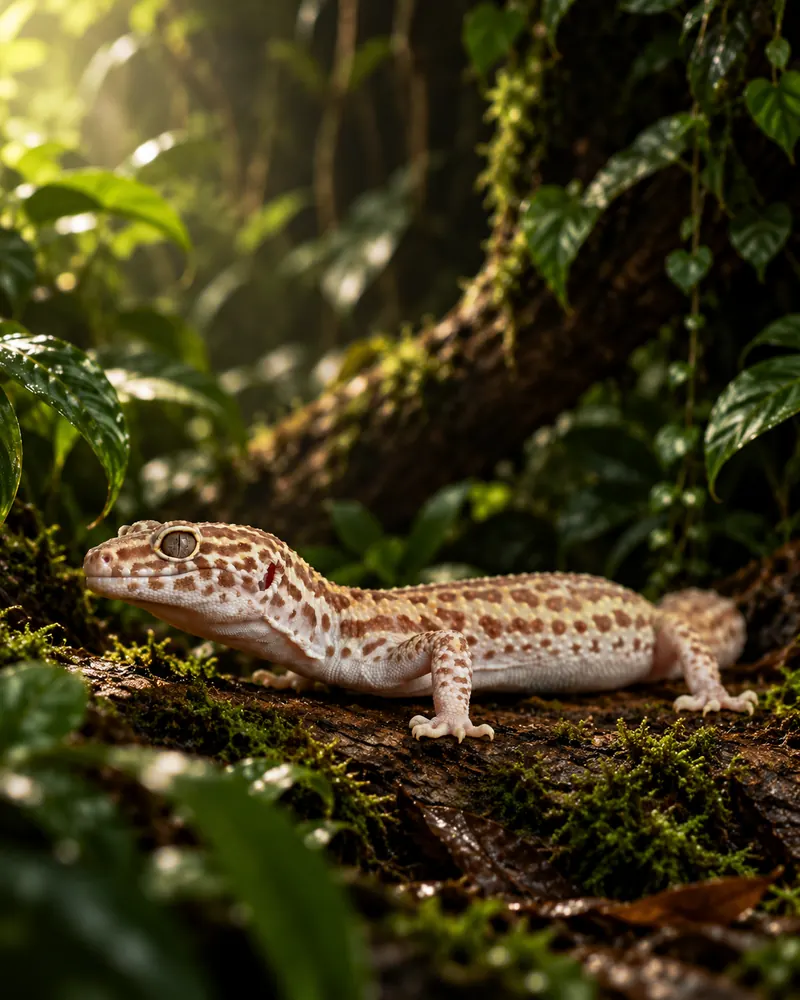
Leopard gecko
from 6,000 RSDThe most common gecko species in our region and an ideal pet for beginners. Easy to maintain, calm and rarely bites.
View species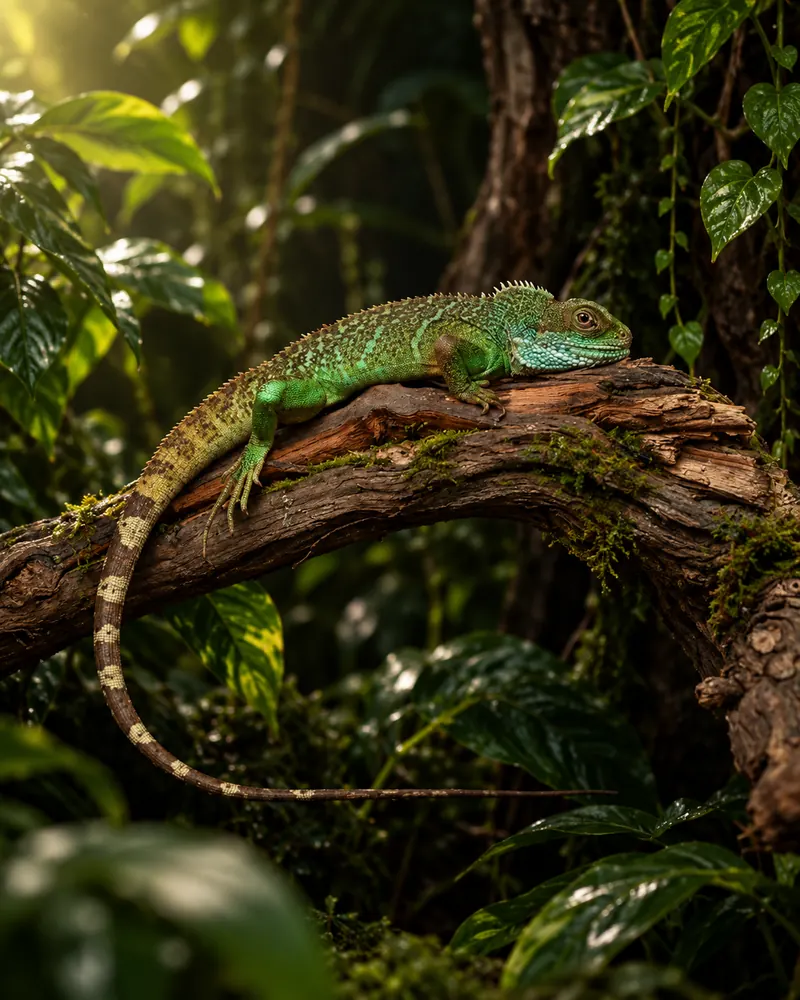
Chinese water dragon
from 12,000 RSDAn affectionate and calm lizard that tames easily, resembling an iguana in appearance. Requires a spacious terrarium with plenty of branches.
View species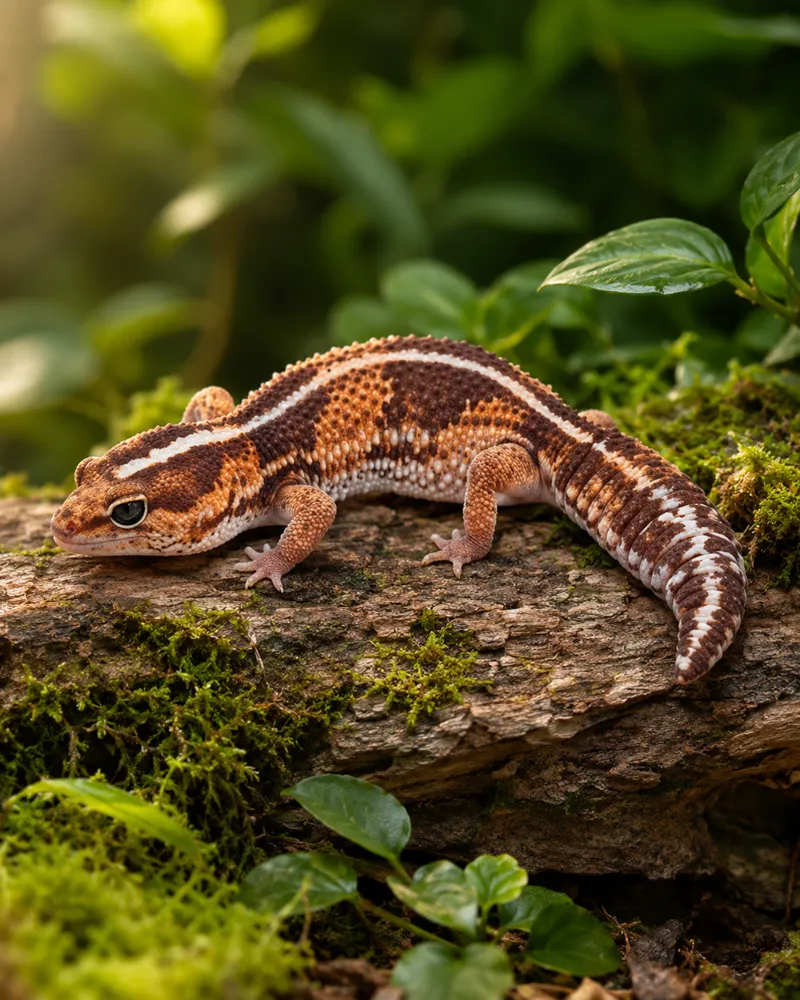
African fat-tailed gecko
from 7,200 RSDNot as popular as leopard geckos, but an equally good choice for beginners. They stay relatively small and don't require demanding care.
View species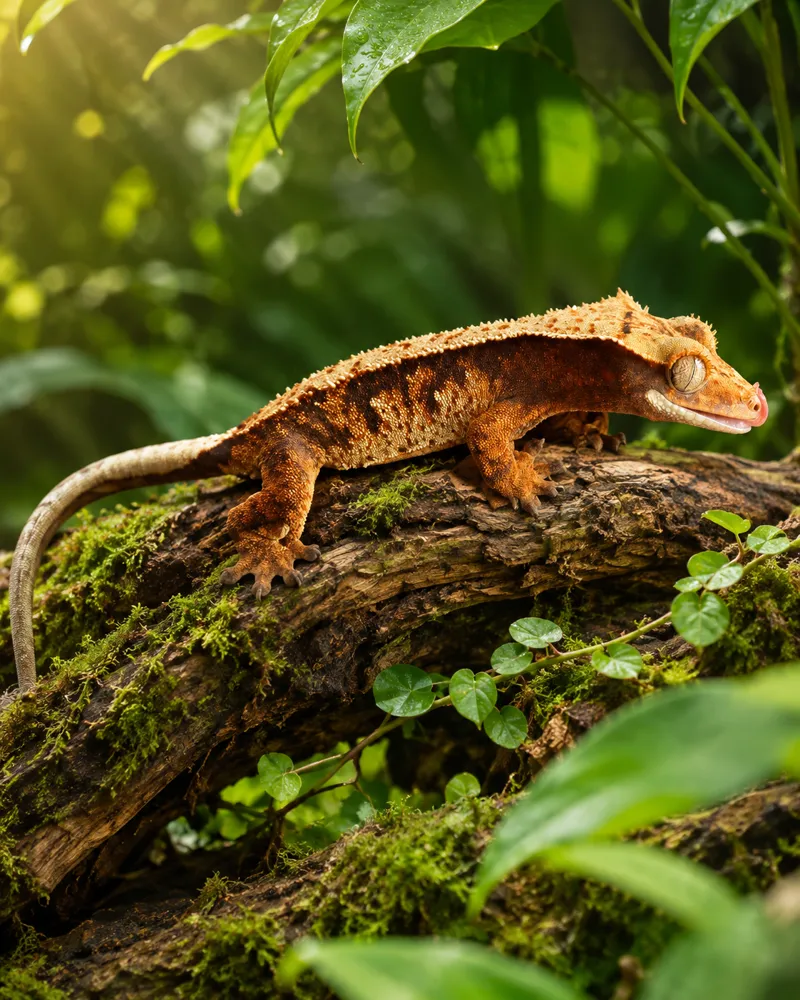
Crested gecko
from 6,000 RSDA popular choice due to its small size, attractive appearance and docile nature. It's nocturnal and doesn't need a heat lamp at room temperature.
View species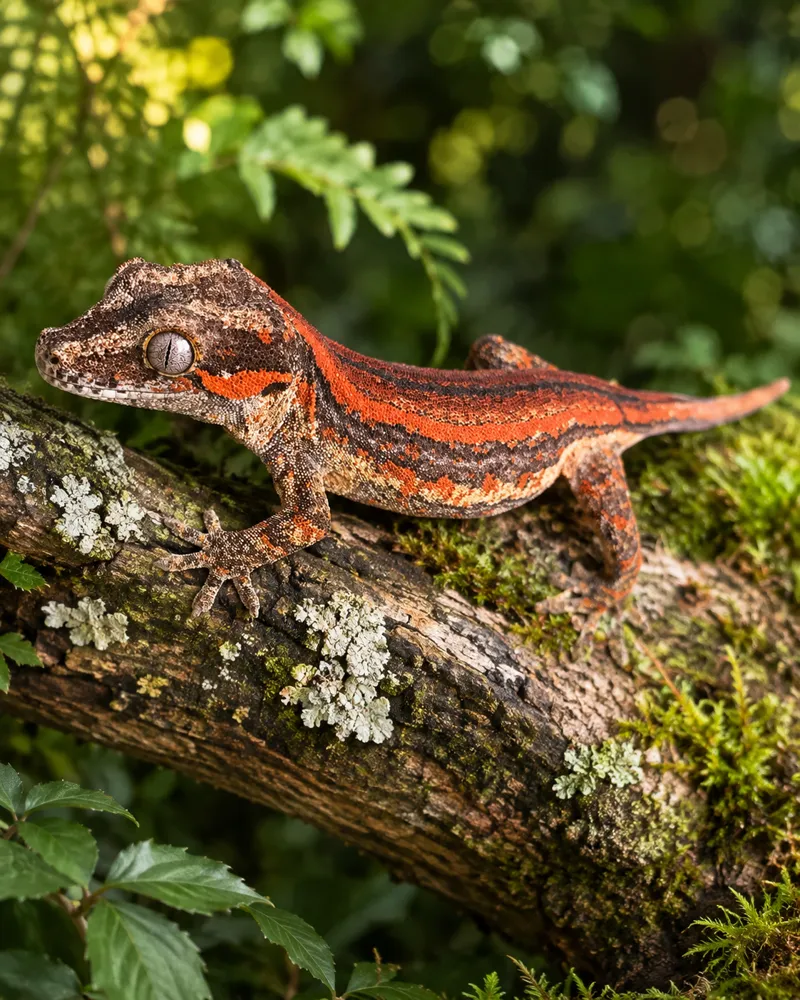
Gargoyle gecko
A gecko from New Caledonia, named after the horn-like bumps on its head. Grows to about 20 cm, is active at night and lives 15-20 years. It eats insects and fruit-based gecko diet, and needs no heat lamp at room temperature.
View species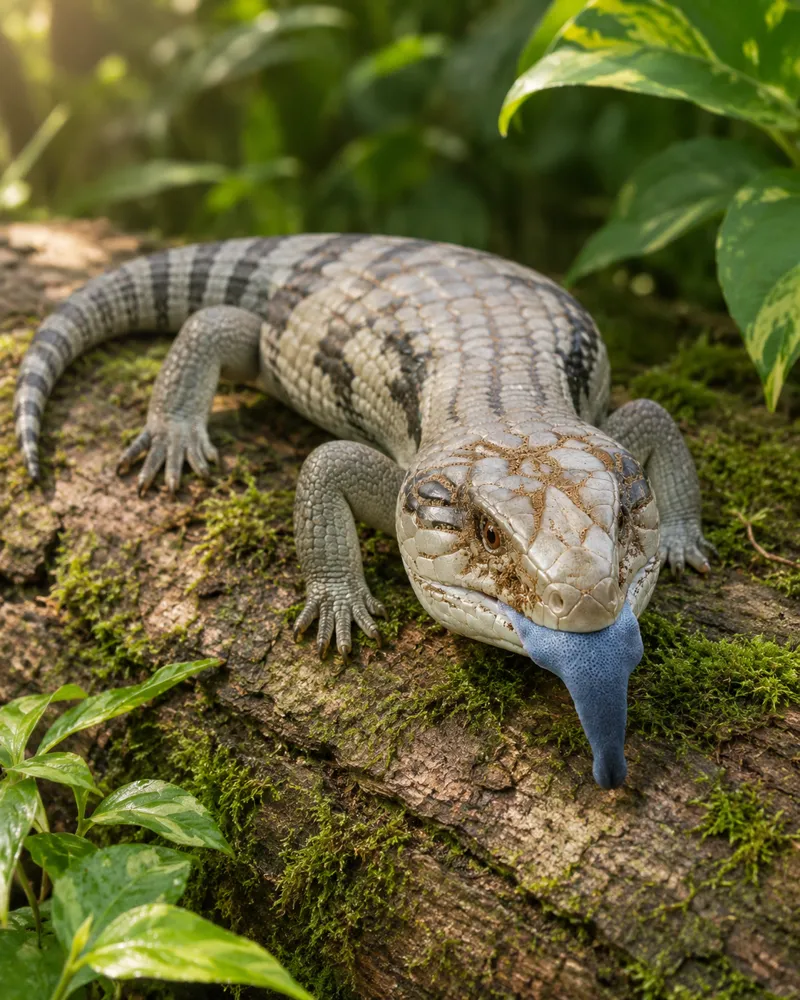
Blue-tongued skink
An Australian lizard known for the blue tongue it flashes to scare off predators. Grows to 50-60 cm, is calm and gets used to handling easily, and eats vegetables, fruit and insects.
View species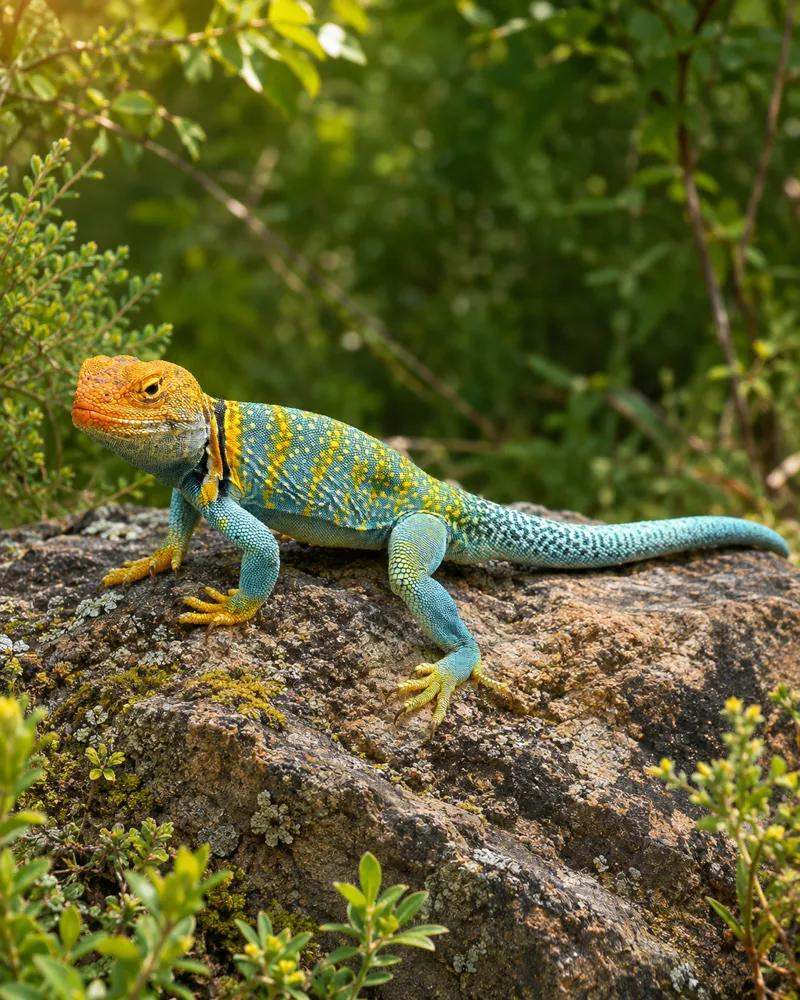
Collared lizard
A lizard from the rocky regions of the USA and Mexico, named after the black "collar" around its neck. Fast and active - it runs on its hind legs when fleeing. Needs a spacious terrarium, a hot basking spot and UVB light, and feeds on insects.
View species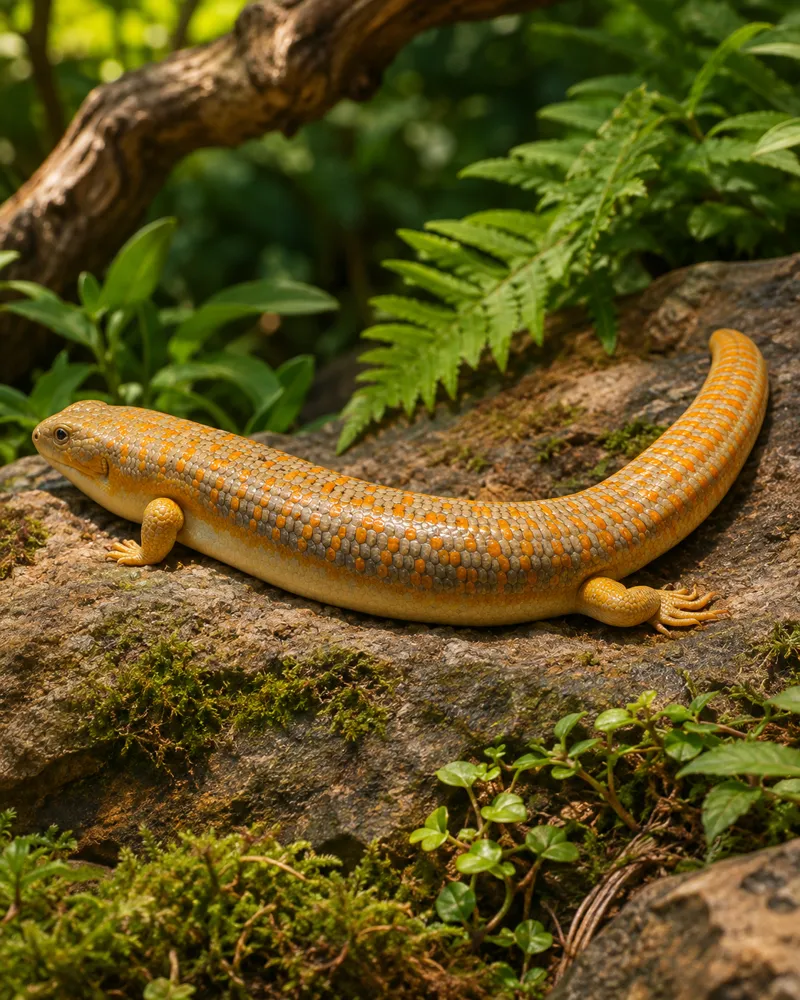
Schneider's skink
A skink from the dry regions of North Africa and the Middle East, recognizable by its orange spots. Grows to about 40 cm, likes to burrow in sandy substrate and can live up to 20 years. Calm, it feeds mostly on insects.
View species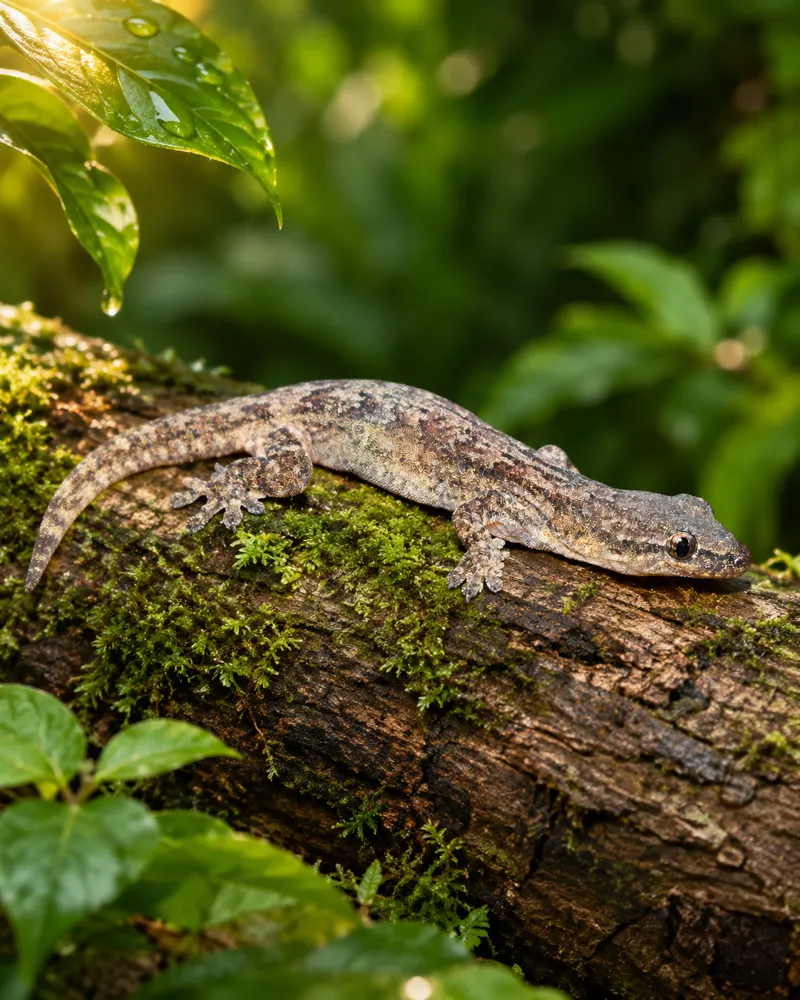
Mourning gecko
A small gecko (8-10 cm) from the islands of Southeast Asia and the Pacific. Almost all individuals are females that lay eggs without males, so they breed easily in a terrarium. Active at night, it likes planted terrariums and eats small insects and fruit-based gecko diet.
View species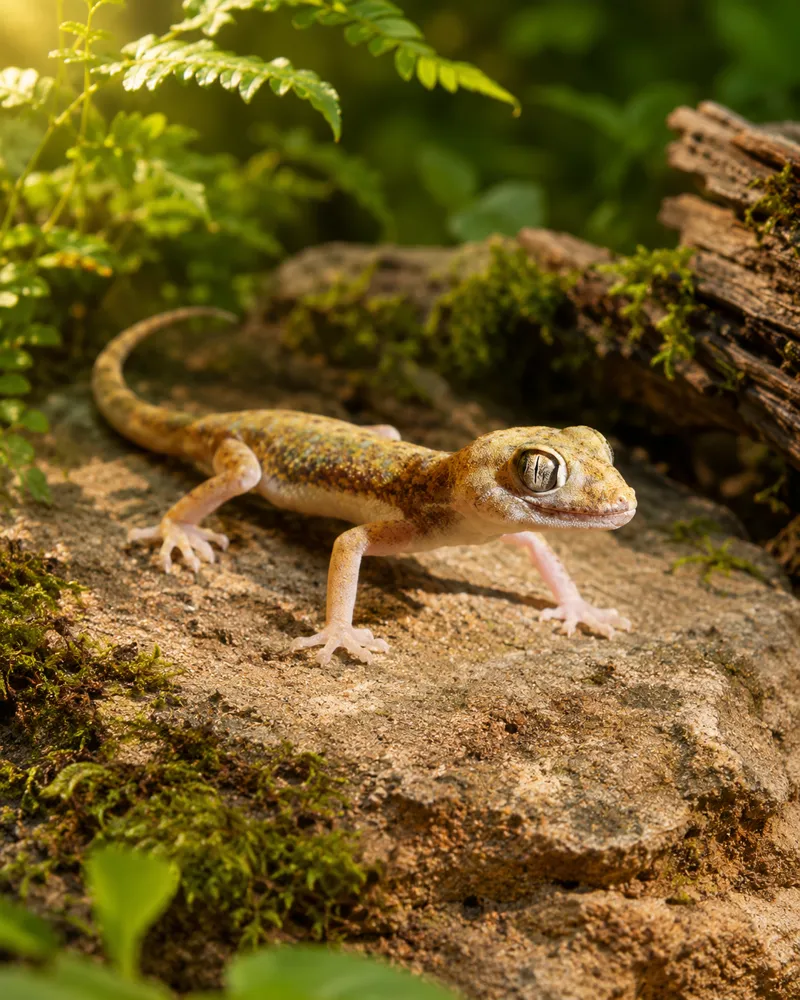
Elegant gecko
A tiny desert gecko (up to about 10 cm) from North Africa and the Middle East, with large eyes and thin toes without sticky pads. It lives on the ground, is active at night and needs sandy substrate and a dry terrarium. Feeds on small insects.
View speciesSnakes
7 species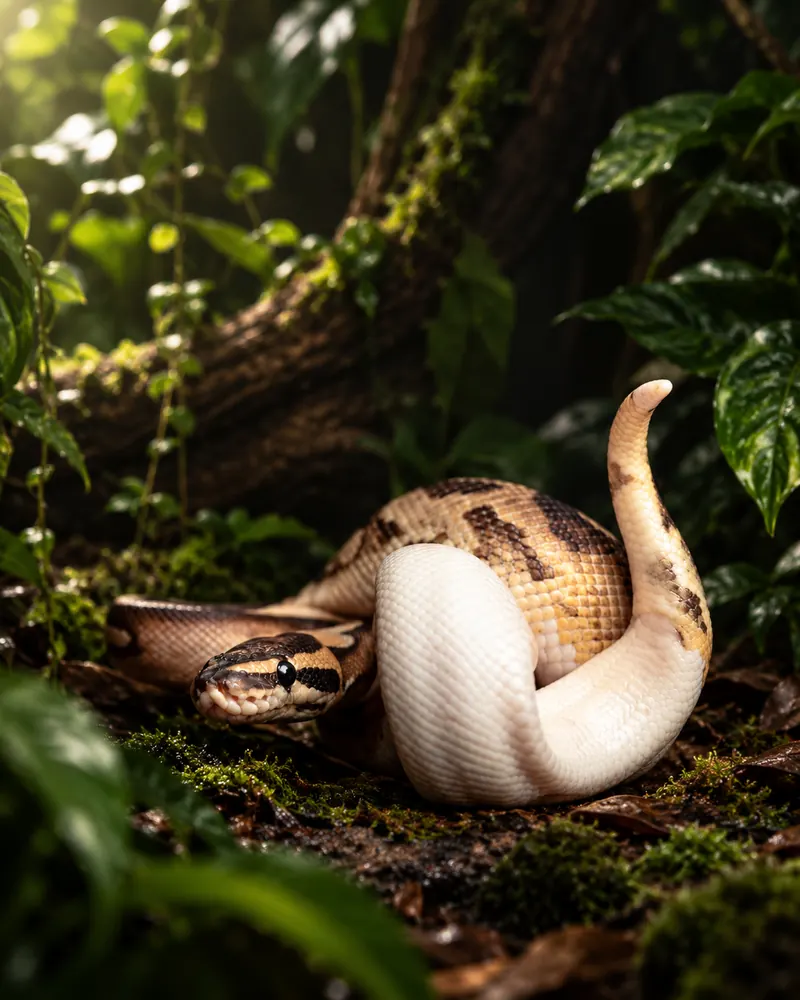
Ball python
from 12,000 RSDAn excellent choice for beginners among snake owners. They usually grow up to 150 cm, are quite docile and easy to handle.
View species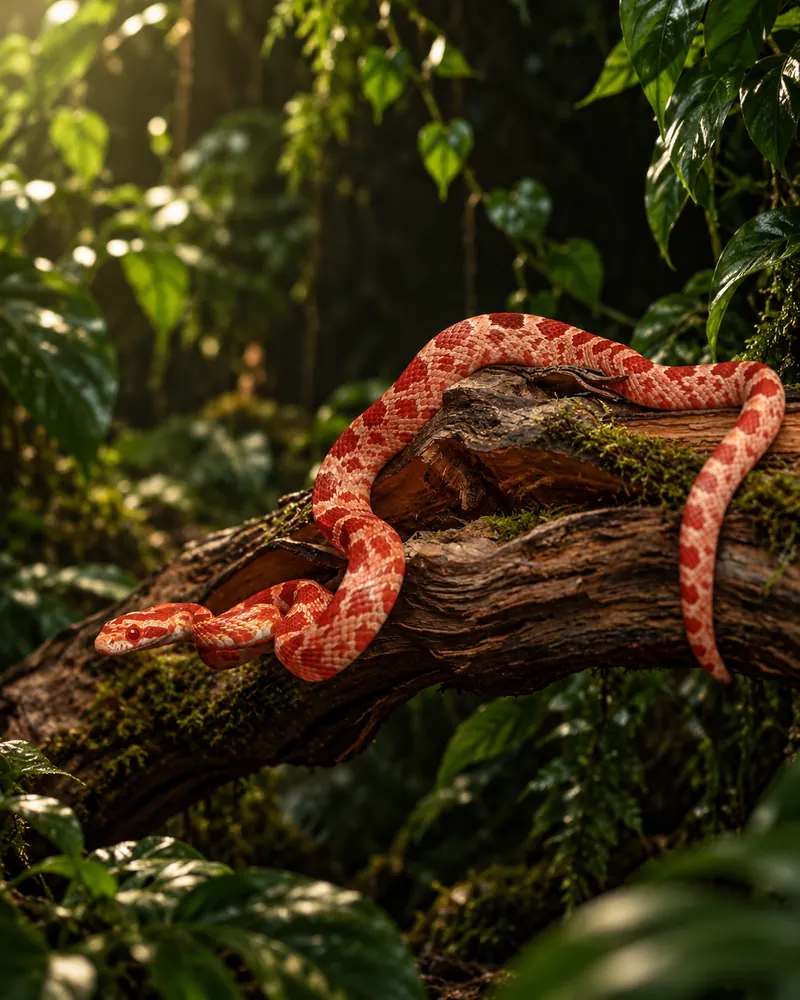
Corn snake
from 6,000 RSDOne of the most popular species. Requires a simple terrarium and conditions that are easy to provide. Grows from 1.2 m to 1.6 m.
View species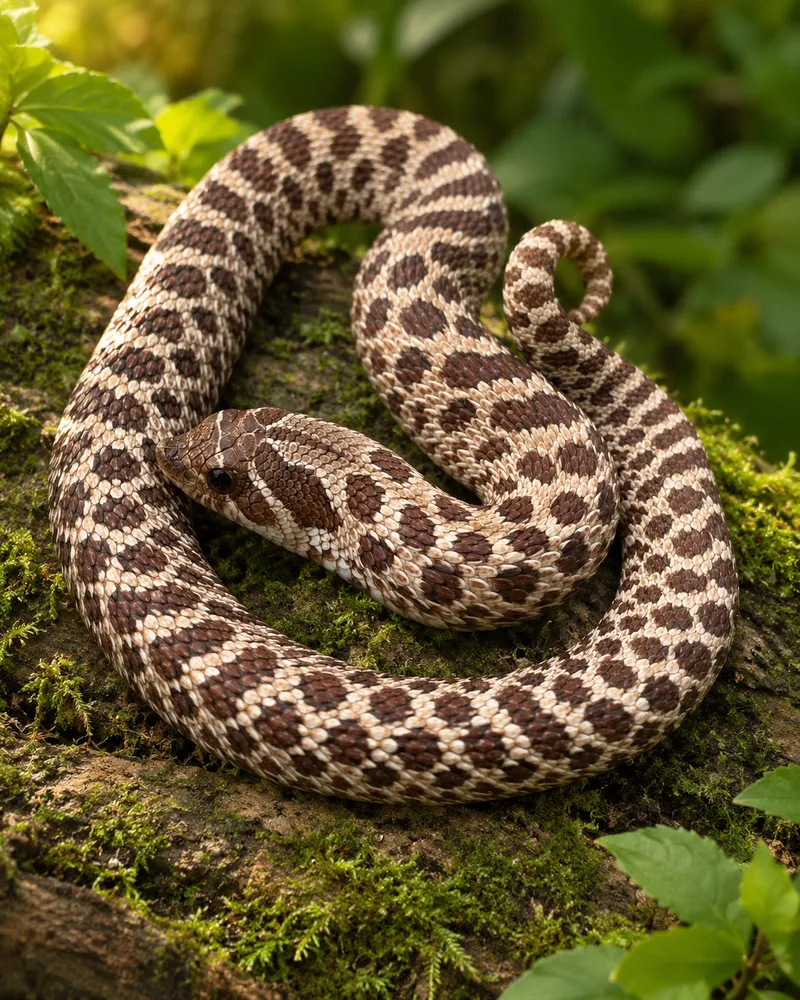
Western hognose snake
A small North American snake with an upturned snout it uses to dig through substrate. Rarely exceeds 60-90 cm and lives 15-20 years. When scared, it flattens its neck, hisses and sometimes plays dead.
View species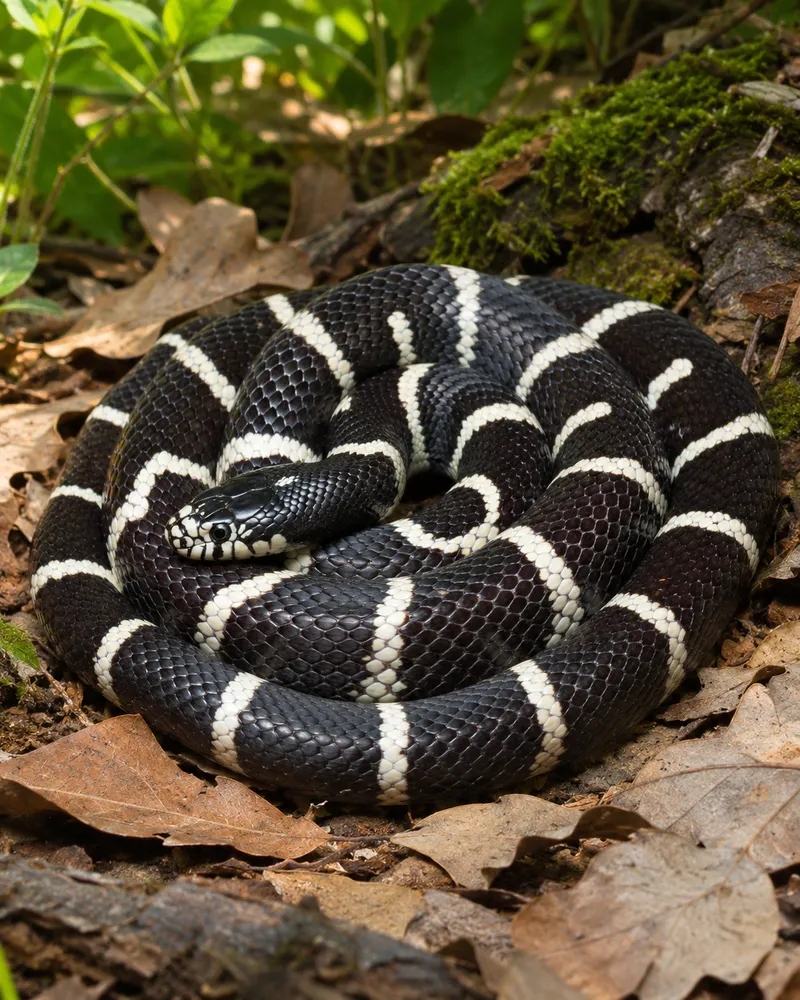
Common kingsnake
A North American snake, black with light bands, 90-150 cm long. It got its name because in the wild it also hunts other snakes, including venomous ones. Non-venomous, it feeds readily on rodents and lives 15-20 years.
View species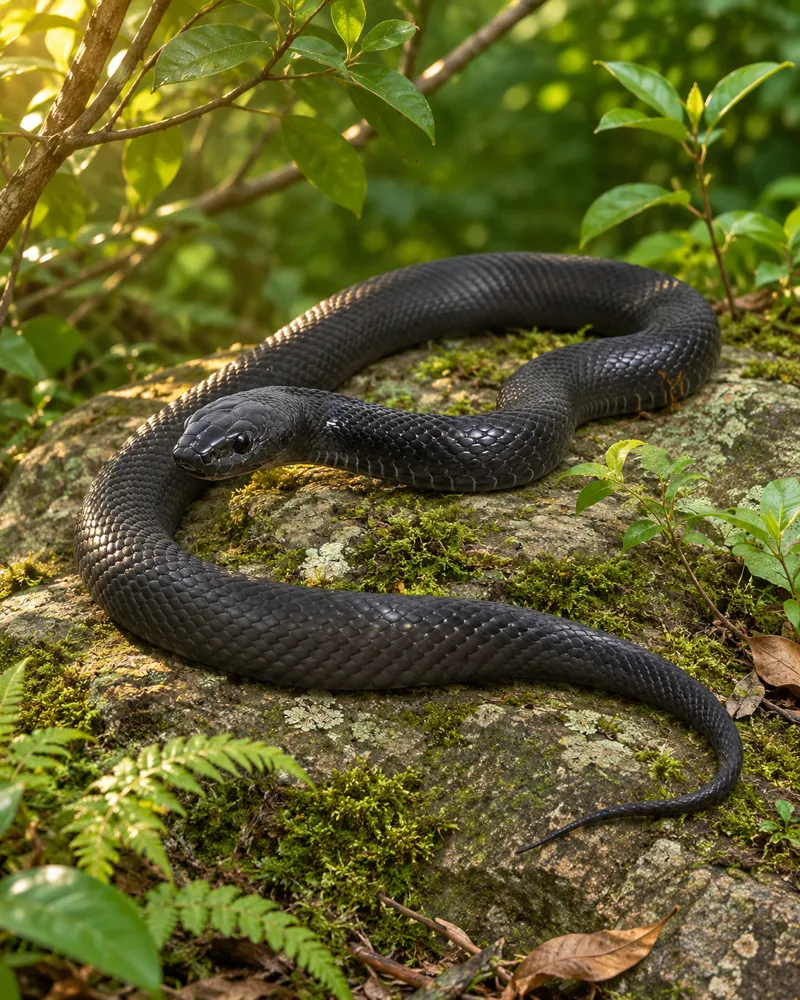
Mexican black kingsnake
A completely black kingsnake with glossy scales, from northwestern Mexico and Arizona. Grows to about 1-1.2 m, is non-venomous and easy to keep, and feeds on rodents.
View species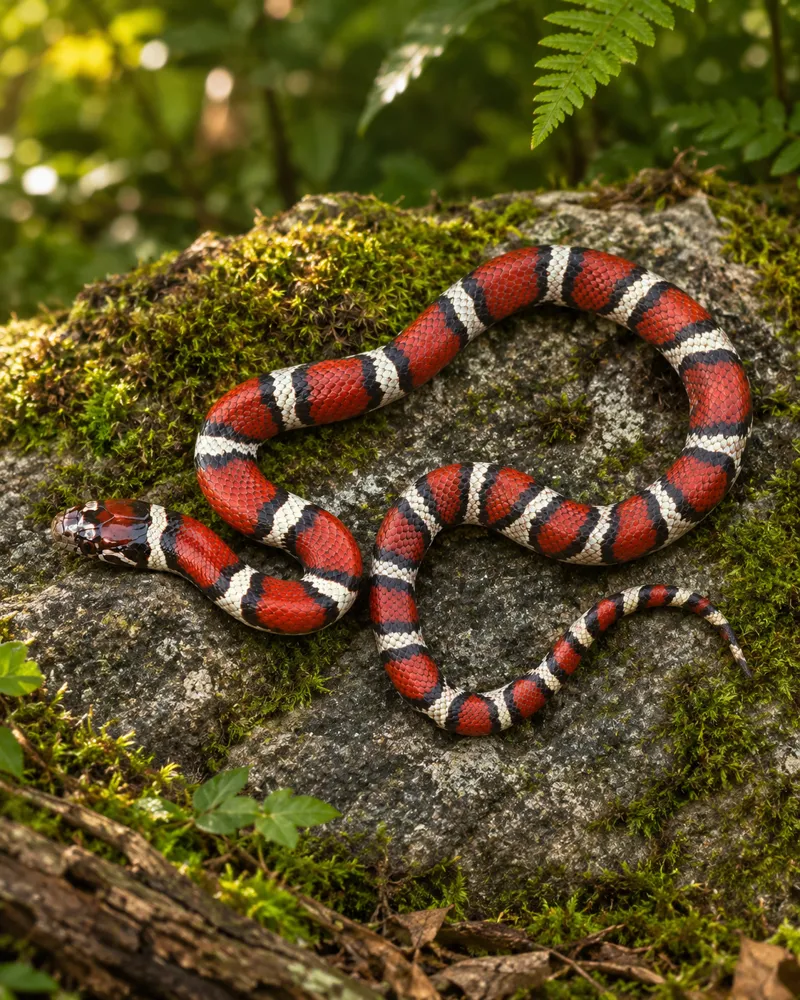
Milk snake
A non-venomous snake from North and Central America whose red, black and white bands mimic the venomous coral snake to scare off predators. Depending on the subspecies it grows 60-120 cm. Easy to keep, it feeds on rodents.
View species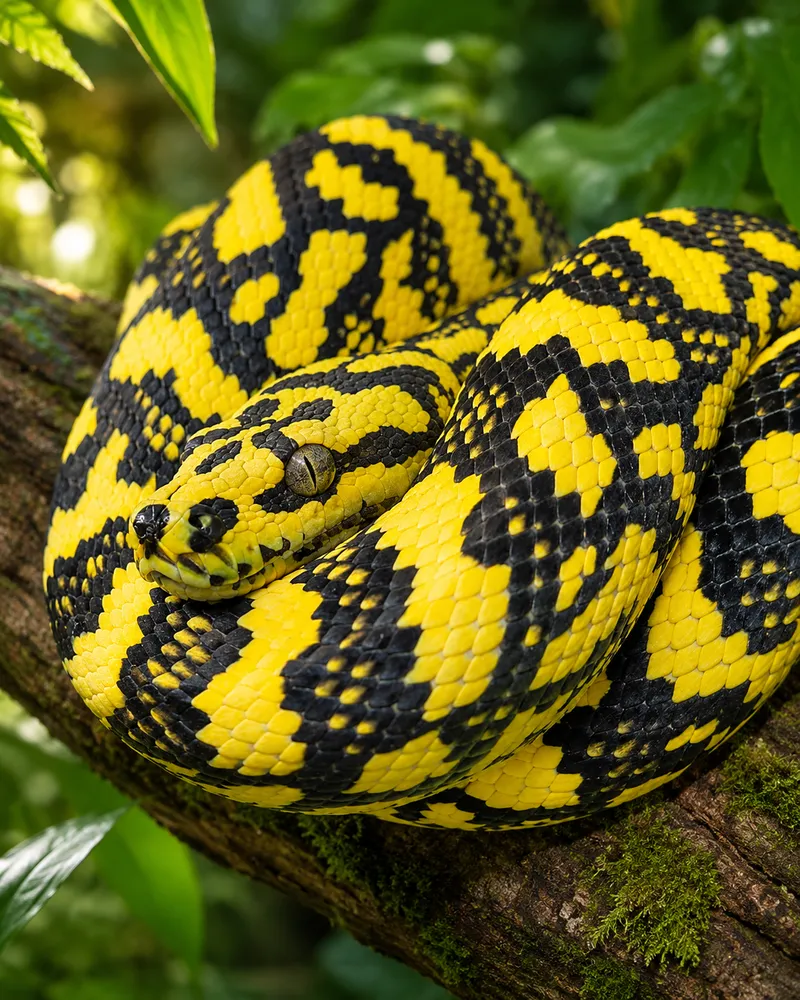
Carpet python
A python from Australia and New Guinea with a pattern that resembles a carpet. Usually grows to 2-2.5 m, likes to climb and lives 20+ years. Non-venomous, it kills by constriction and needs height and branches in its terrarium.
View speciesTarantulas
5 species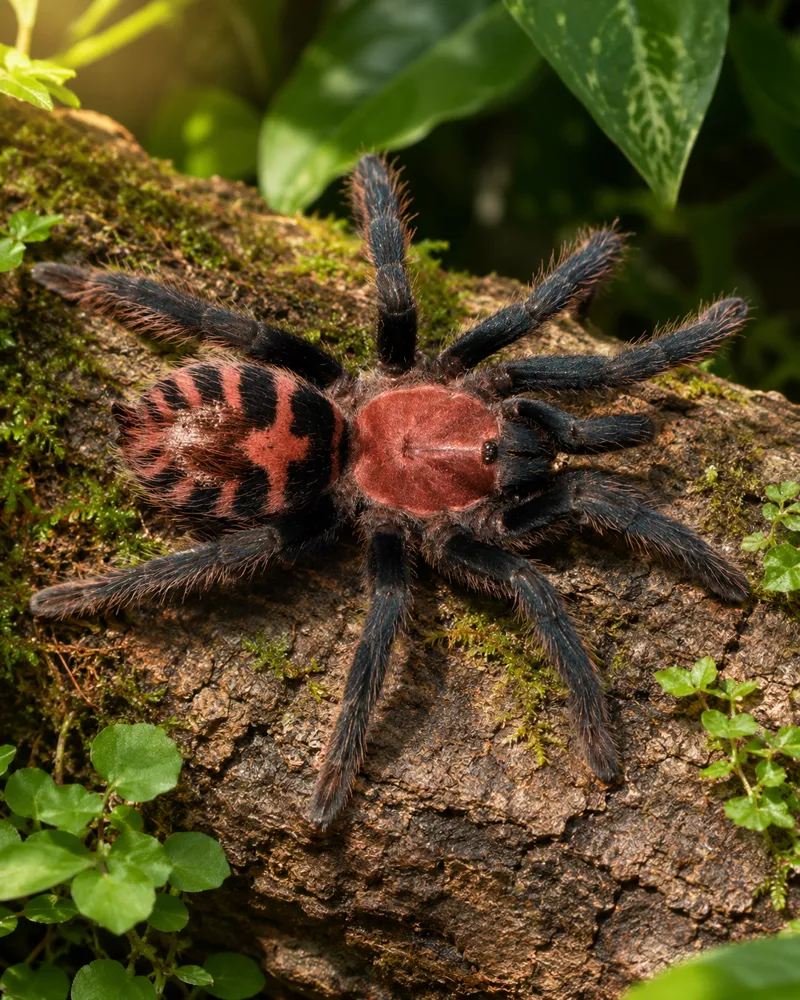
Guatemalan tiger rump tarantula
A calm and docile tarantula ideal for beginners. Known for its beautiful tiger-orange markings on the abdomen.
View species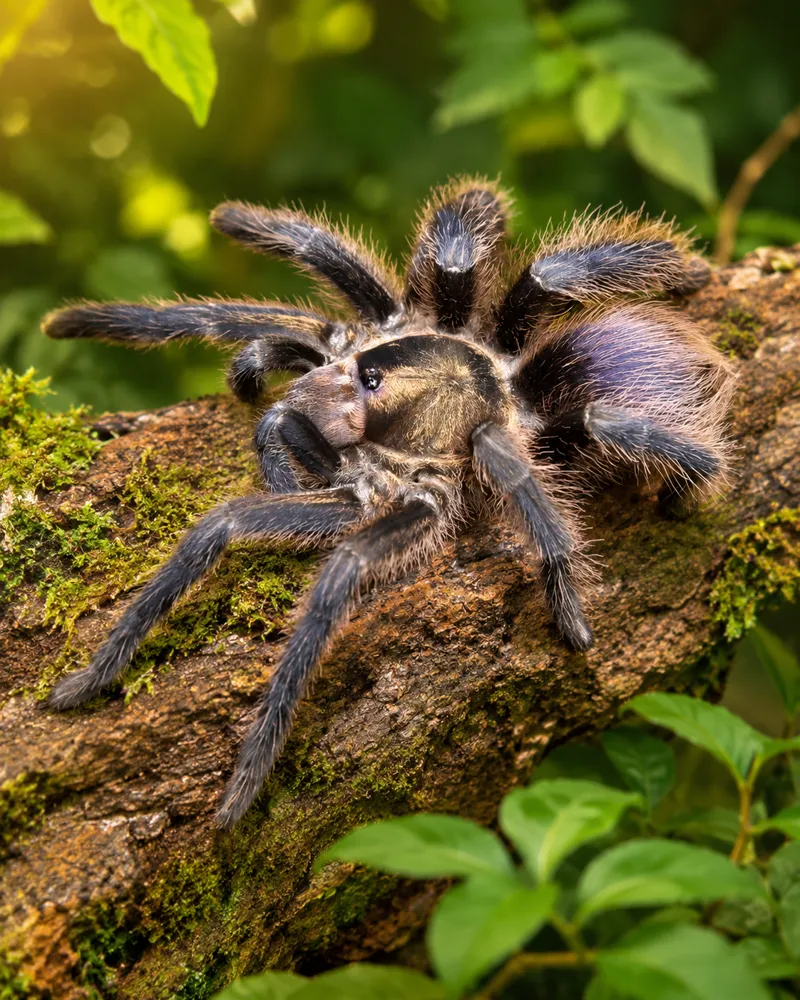
Cuban gold tarantula
An attractive tarantula from Cuba known for its golden-bronze sheen. An active species with an impressive appearance.
View species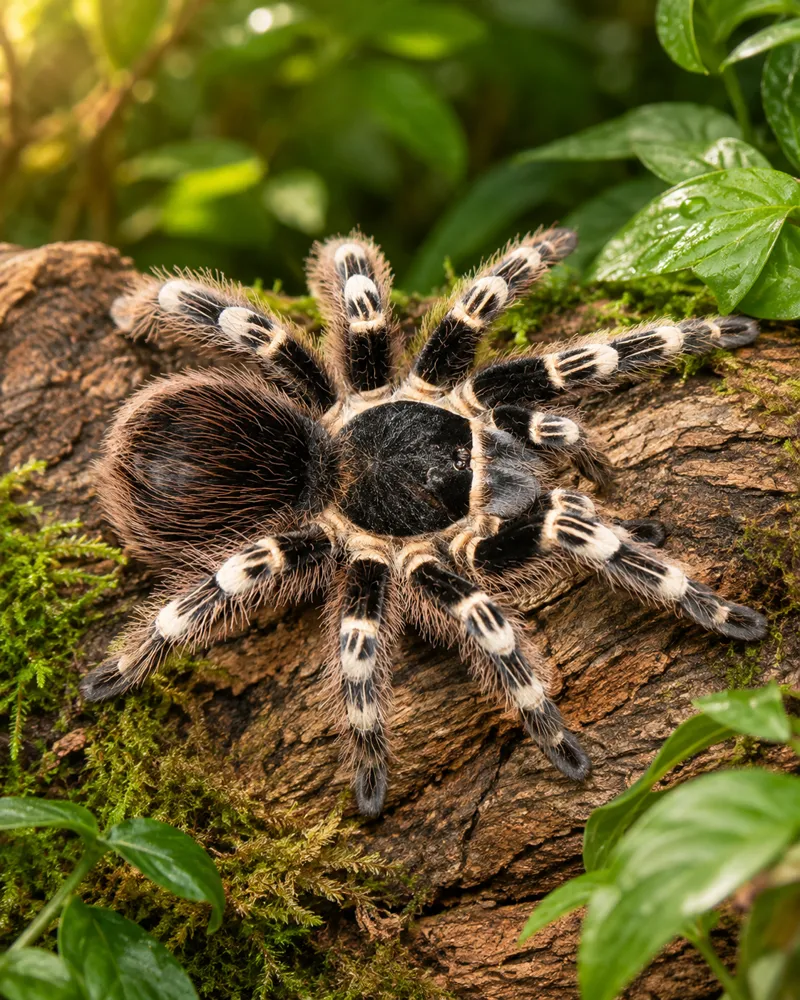
Brazilian whiteknee tarantula
An imposing tarantula with white stripes on its legs. An active and fast-growing species, popular among enthusiasts.
View species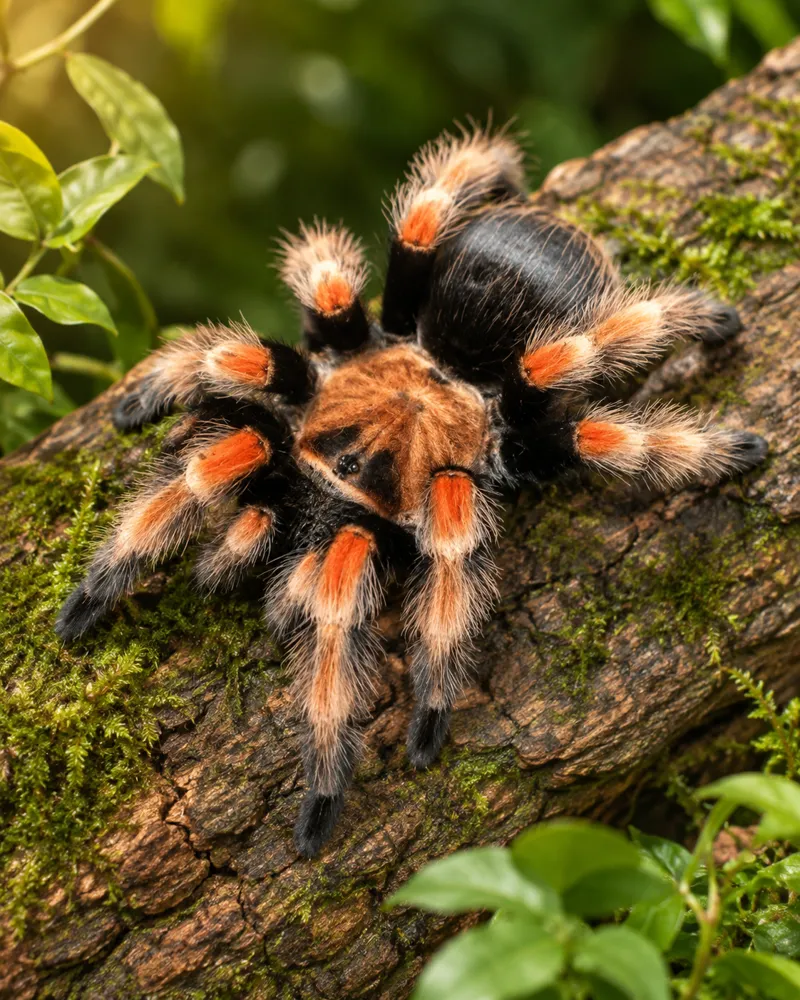
Mexican fireleg tarantula
A beautiful tarantula with bright red-orange legs. A calm species, great for beginners.
View species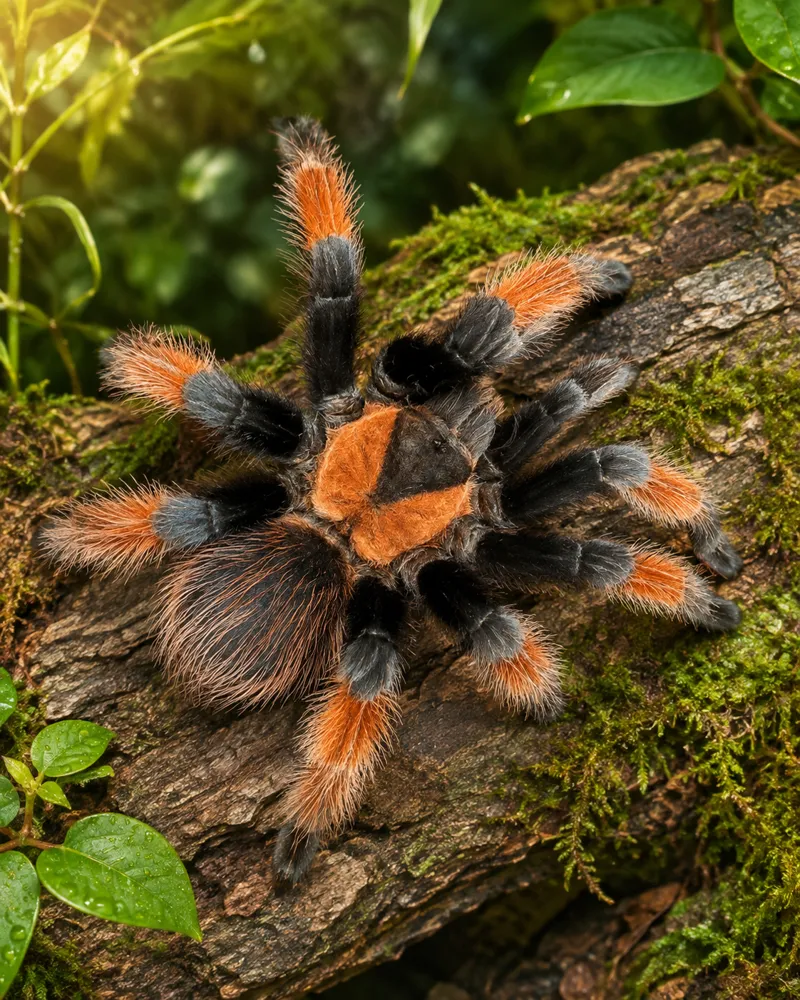
Mexican redleg tarantula
A classic Mexican tarantula with distinctive black and red patterns. A calm and long-lived species.
View species
Invertebrates
3 species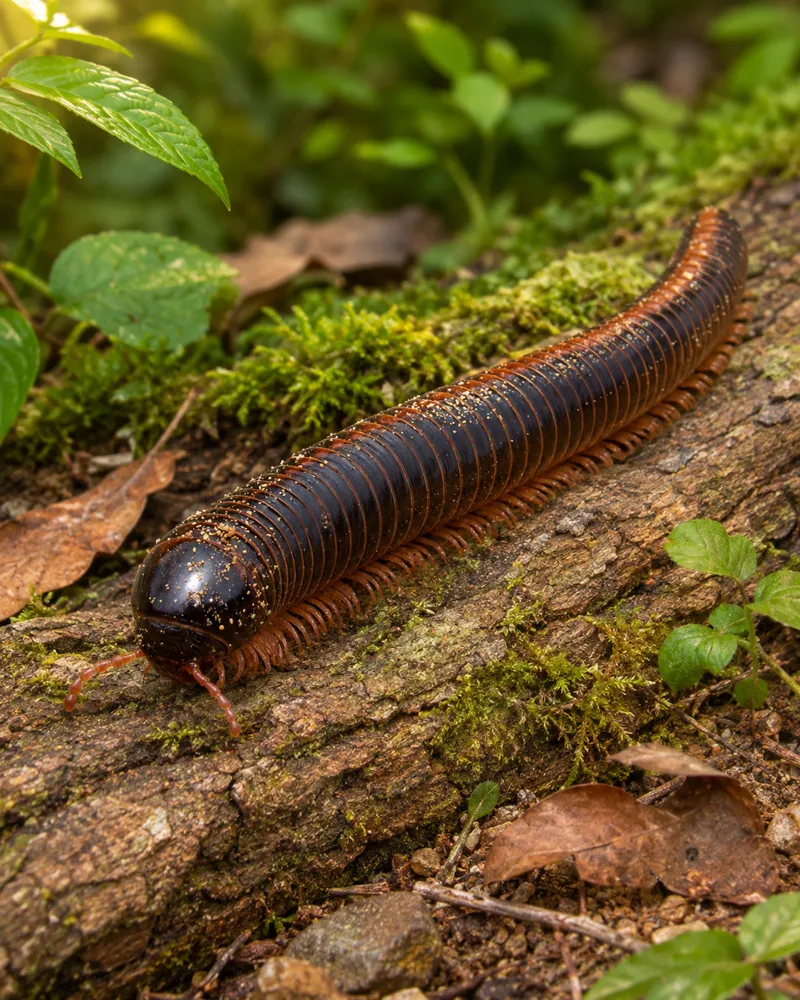
Giant African millipede
One of the largest millipedes in the world - grows to about 30 cm and lives 7-10 years. Calm and harmless, it feeds on decaying leaves, wood and vegetables, and needs deep, moist substrate.
View species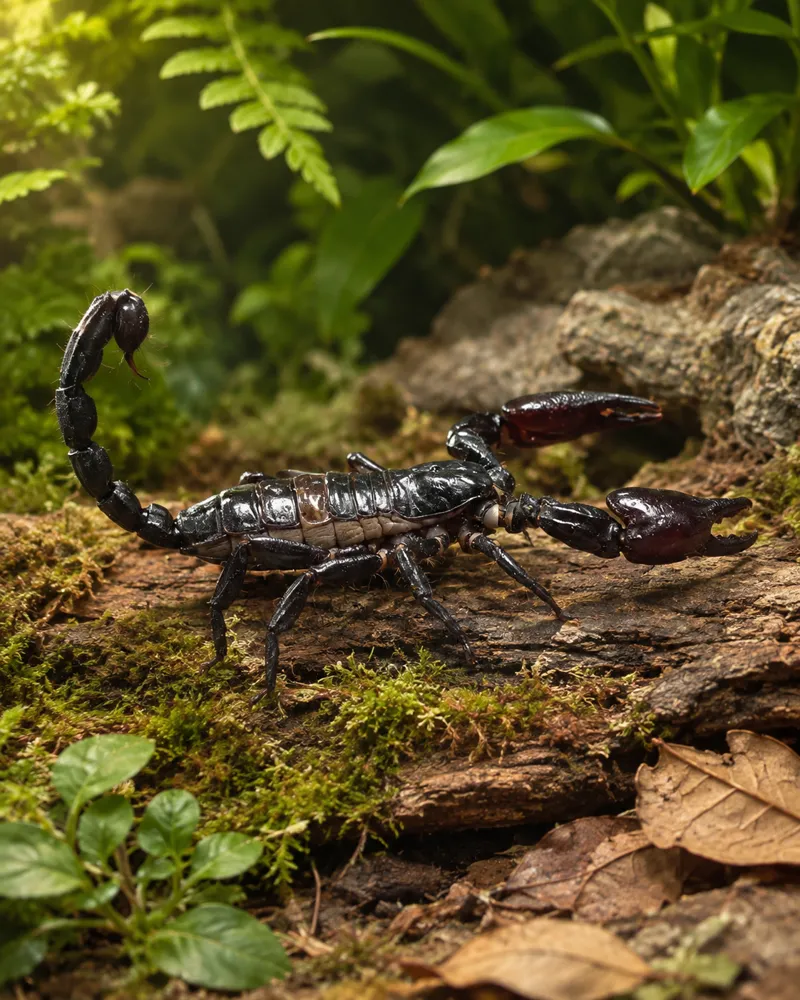
Asian forest scorpion
A large black scorpion from the tropical forests of Southeast Asia, about 10 cm long, with powerful claws. Its venom is mild, but it is defensive and not for handling. Needs moist substrate to dig burrows in and feeds on insects.
View species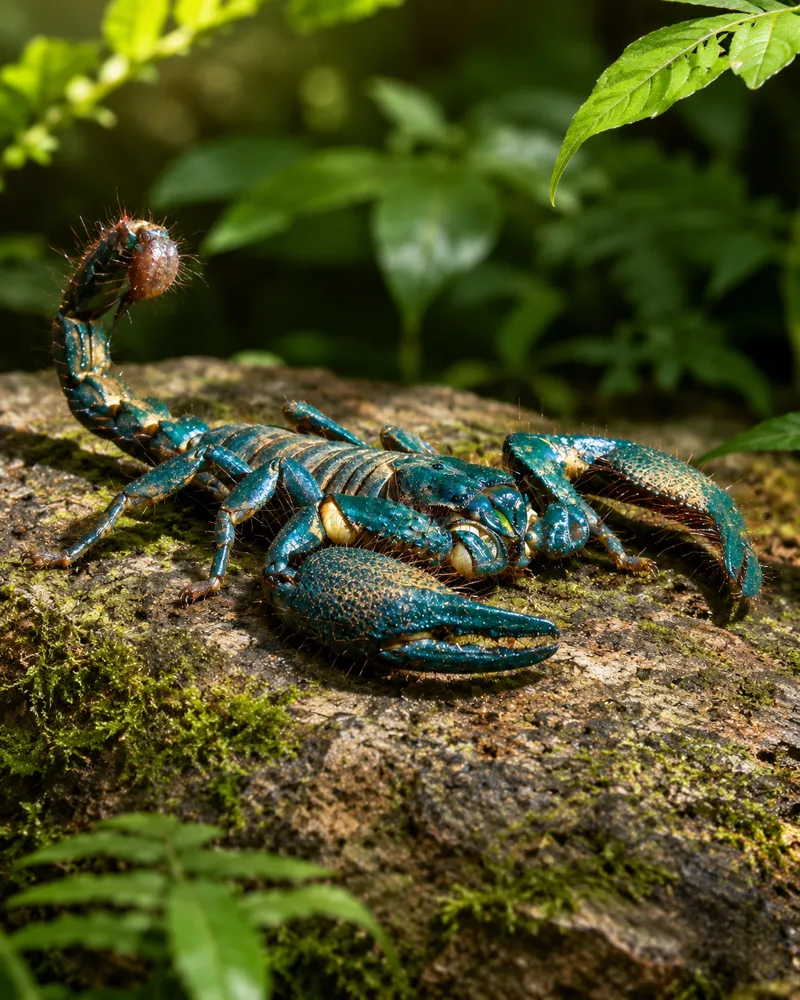
Giant blue scorpion
One of the largest scorpions in the world - grows to about 12 cm, and its shell shows a blue-green sheen under light. Lives in the humid forests of Southeast Asia. Its venom is mild, and it relies on its claws more than its sting for defence.
View speciesComplete starter kits
With every animal, we also offer ready-made starter kits - terrarium, lighting, heating, substrate and decoration, all tailored to the specific species. Ideal if you're just starting out.
All about reptiles
Yes, many reptiles are excellent for beginners. Leopard geckos, crested geckos and bearded dragons are among the easiest to keep. They require less daily attention than dogs or cats, but do need proper equipment - a terrarium of appropriate size, heating, UVB lighting and a suitable diet.
Juveniles are generally fed daily, while adults eat 2-4 times a week depending on the species. Bearded dragons eat every day (salad and insects), ball pythons once every 7-14 days, and leopard geckos every other day. Always dust food with calcium.
Reptiles don't express emotions like mammals, but they do get used to contact with their owner and become calm during handling. Bearded dragons are particularly known for their tolerance and enjoyment of contact. Regular gentle handling from a young age helps.
Leopard gecko - calm, eats insects, lives 15-20 years. Bearded dragon - social, omnivore, great for families. Crested gecko - doesn't need a heat lamp at room temperature and feeds on a ready-made mix.
Lifespan varies by species: leopard gecko 15-20 years, bearded dragon 10-15, ball python 20-30, corn snake 15-20, and tortoises can live 50+ years. Proper care and diet directly affect lifespan.