Lizard food
Live food is the foundation of most lizards' diet. We stock fresh feeder insects bred for feeding reptiles - dubia roaches, superworms, lateralis (Turkestan roach) and mealworms (tenebrio) in several sizes. All species are available from the tiniest nymphs for babies to adults for larger lizards, so you can feed bearded dragons, leopard geckos, chameleons, tegus and other insectivores. Live food prices start at 400 din per 100 pieces.
Types of live food we offer
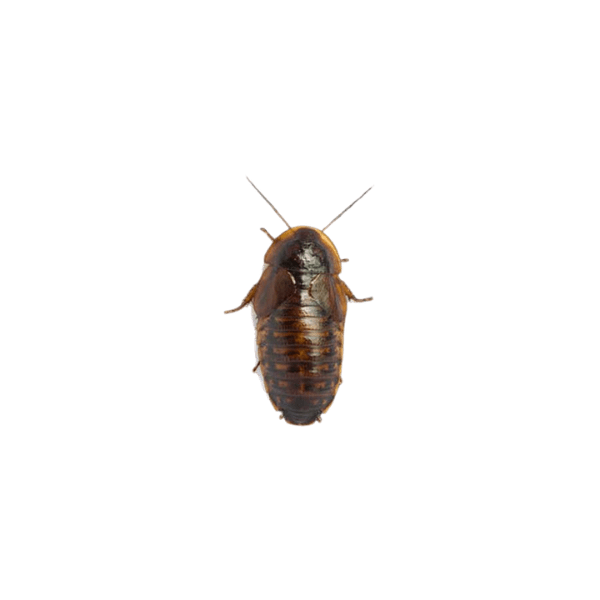
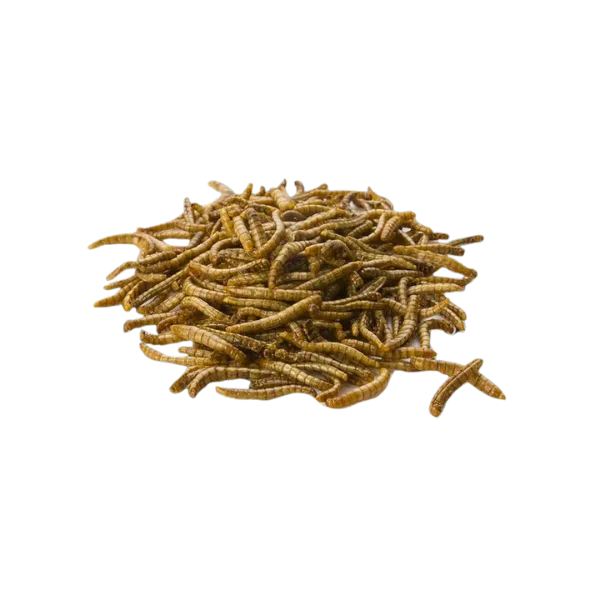
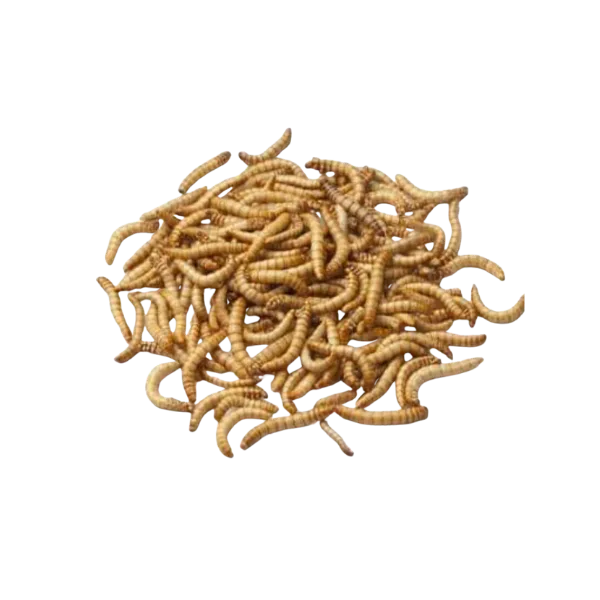
Dubia roaches are the most popular feeder insect - they are high in protein, low in chitin and easy to digest. They don't chirp, don't jump, can't climb smooth surfaces and don't smell, so they are practical to keep. Superworms are a soft and nutritious feeder, a great addition to dubias for a varied diet.
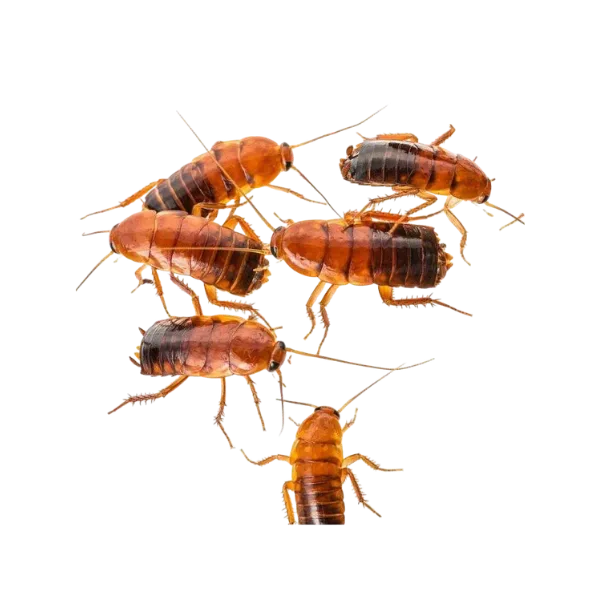
Lateralis, or the Turkestan roach, is a fast, smaller insect whose movement triggers the hunting instinct - ideal for chameleons, young geckos and lizards that respond to motion. Mealworms (tenebrio) are larvae with a harder chitin and a higher fat content, so they are given as a treat and to build up condition, in moderation.
How to feed a lizard
Always dust live food with calcium (and occasionally a multivitamin) before feeding. The size rule: the insect must not be wider than the space between the lizard's eyes. Babies eat more often and smaller prey, while adults eat less often and larger insects. For an exact recommendation of the species and size for your animal - call us.
Frequently asked questions about feeding lizards
Most lizards eat live insects. Dubia roaches are the staple of the diet because they are high in protein, low in chitin and easy to digest. Superworms, lateralis (Turkestan roach) and mealworms are used alongside them for variety. Live food should be dusted with calcium before every feeding.
Young bearded dragons eat large amounts of insects every day - dubia roaches and lateralis are ideal because they are soft and rich in protein. Adult dragons eat fewer insects and more vegetables. Mealworms are given in moderation because they have a harder chitin.
The rule is that the insect should not be wider than the space between the lizard's eyes. For babies, use small dubia nymphs or small lateralis. As the lizard grows, move on to medium and large insects. Prey that is too large can cause digestive problems.
Dubia roaches don't chirp, don't jump, can't climb smooth surfaces and don't give off an unpleasant smell. They live longer in the terrarium and have a better protein-to-chitin ratio than crickets, so they are more nutritious and more practical to keep.
Dubia roaches and superworms are kept at room temperature in a ventilated box with egg-crate cardboard and a little food (carrot, apple, grains). Mealworms can be kept in the fridge to slow their development. Lateralis need warmer housing because they are more active.